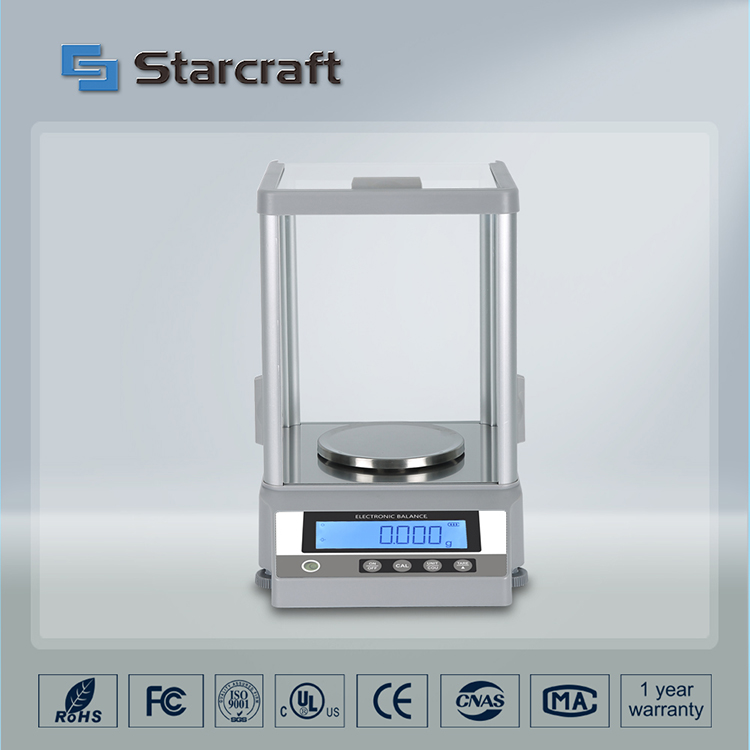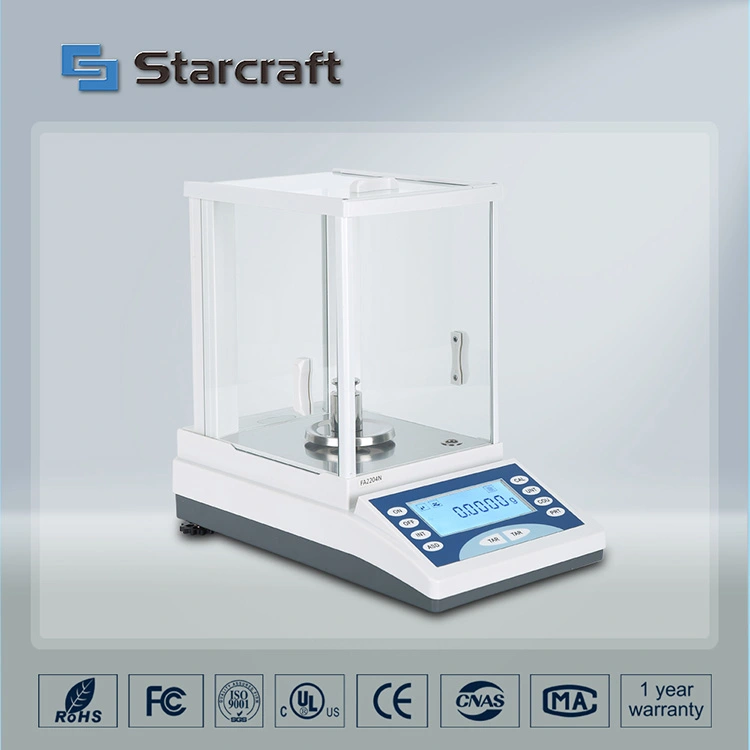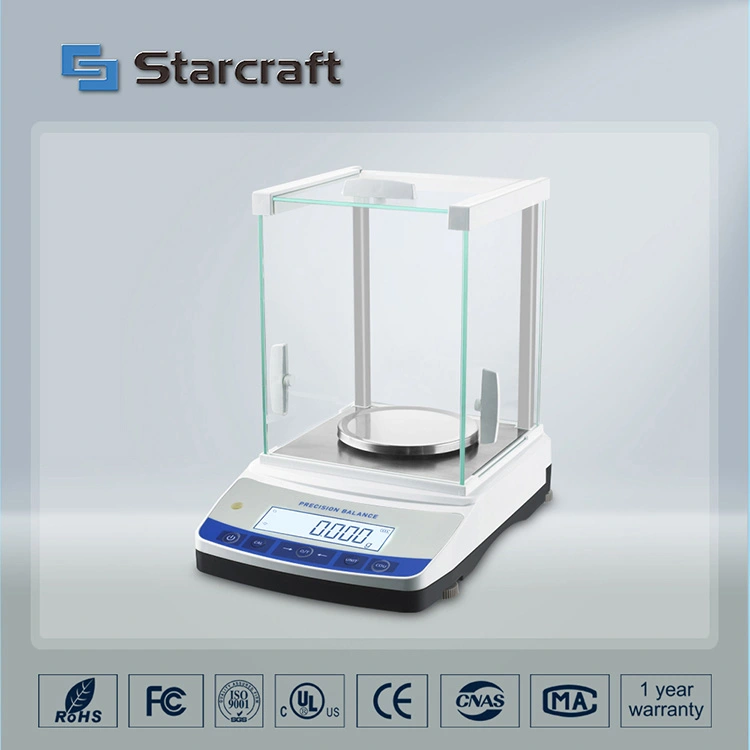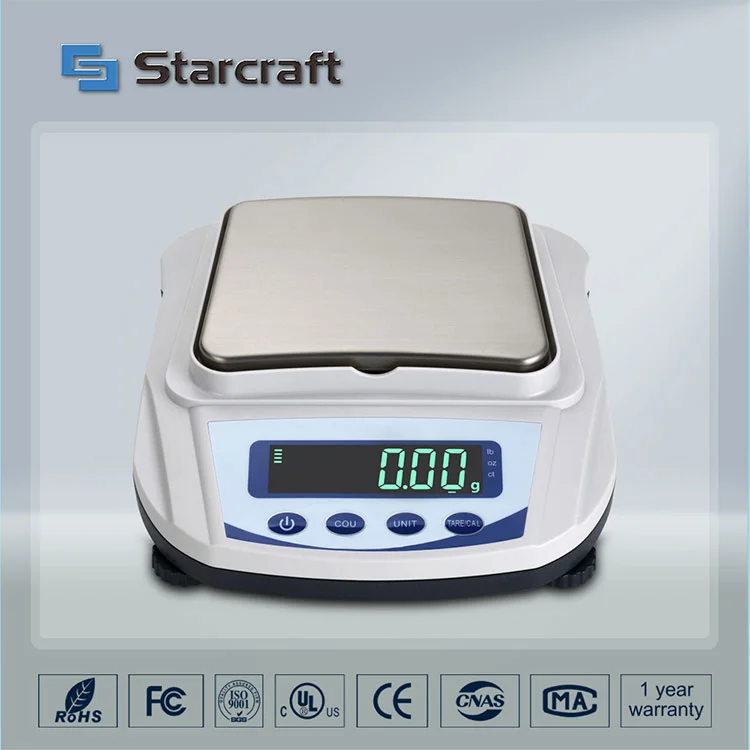
Abstract · This article provides a detailed technical examination of the ES 0.1mg Analytical Balance, exploring its measurement principles, electromagnetic force compensation technology, and critical role in precision laboratory analysis. The discussion covers readability specifications, calibration systems, environmental considerations, and application domains where sub-milligram accuracy is essential for valid experimental results.
01. Measurement Principles and EMFC Technology
The ES 0.1mg Analytical Balance operates on the principle of electromagnetic force compensation (EMFC), a measurement technology that delivers exceptional accuracy and stability. In an EMFC system, the weight of the sample is counterbalanced by an electromagnetic force generated by a coil suspended in a permanent magnetic field.
When a sample is placed on the weighing pan, a position sensor detects the slightest downward displacement. A control circuit immediately adjusts the current flowing through the coil to restore the pan to its original position. The magnitude of this current is directly proportional to the weight of the sample, and the balance converts this electrical signal into a digital weight reading. This closed-loop system provides fast response times, high resolution, and excellent long-term stability—essential attributes for analytical laboratory work.
Electromagnetic Force Compensation (EMFC)
0.1 mg (0.0001 g)
Typically 2–3 seconds
02. Readability, Capacity, and Performance Specifications
0.1 mg (0.0001 g) – four decimal places
Typically 100 g to 320 g depending on model
≤ 0.1 mg (standard deviation)
± 0.2 mg
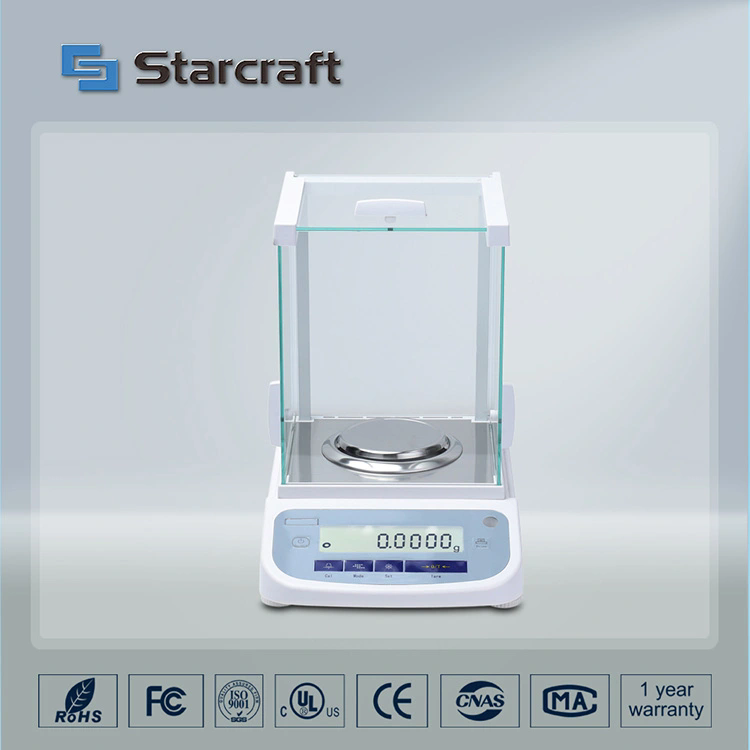
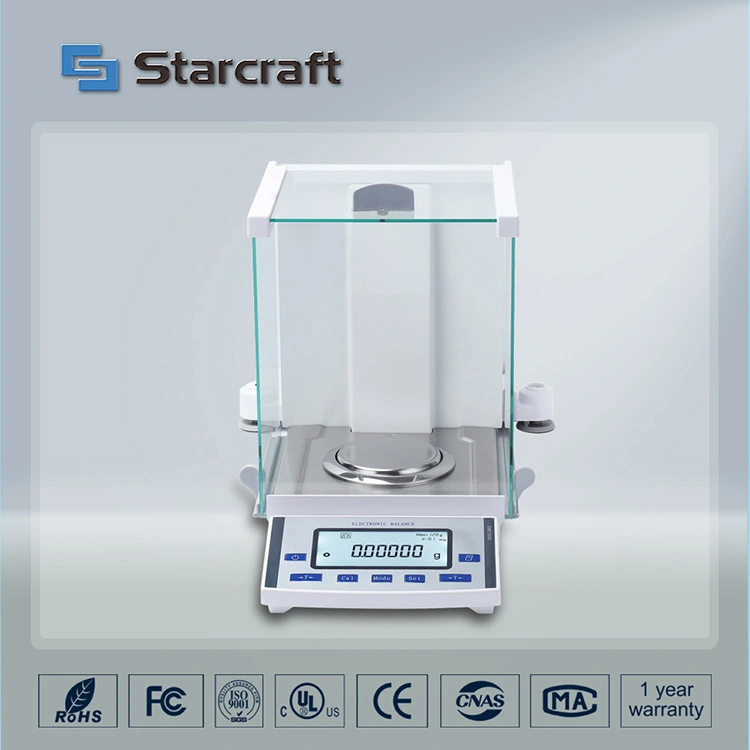
The ES 0.1mg Analytical Balance is defined by its readability of 0.1 mg, meaning it can display weight differences as small as one ten-thousandth of a gram. This level of precision is required for applications such as pharmaceutical compounding, analytical chemistry, and quality control testing where even minute variations can affect results. The balance's capacity and repeatability specifications must be matched to the intended application to ensure valid measurements.
| Parameter | Typical Specification |
|---|---|
| Readability | 0.1 mg |
| Capacity | 120 g, 220 g, or 320 g |
| Calibration | Internal motorized calibration |
| Pan Size | Ø 90 mm (typical) |
| Stabilization Time | 2–3 seconds |
| Operating Temperature | 10°C to 30°C |
Based on typical specifications for analytical balances in this class.
03. Calibration Systems and Accuracy Assurance
The ES 0.1mg Analytical Balance incorporates advanced calibration systems to maintain accuracy over time. Internal motorized calibration allows the balance to automatically calibrate itself using an internal reference weight, triggered by temperature changes, time intervals, or manual initiation.
- Internal Calibration: The balance automatically calibrates at preset intervals or when it detects temperature fluctuations, ensuring consistent accuracy without operator intervention.
- External Calibration: For applications requiring traceability to national standards, the balance can be calibrated using certified external weights.
- Calibration Records: The balance stores calibration data, which can be printed or exported to support quality documentation requirements.
- Temperature Compensation: The system monitors ambient temperature and adjusts readings accordingly, minimizing drift.
Accuracy Note: Regular calibration is essential for maintaining measurement validity. The internal calibration feature simplifies this process, but periodic verification with external weights is recommended for critical applications.
04. Environmental Influences and Anti-Vibration Design
Precision weighing at the 0.1 mg level is highly sensitive to environmental disturbances. The ES 0.1mg Analytical Balance is designed with features that mitigate the effects of air currents, vibrations, and temperature fluctuations.
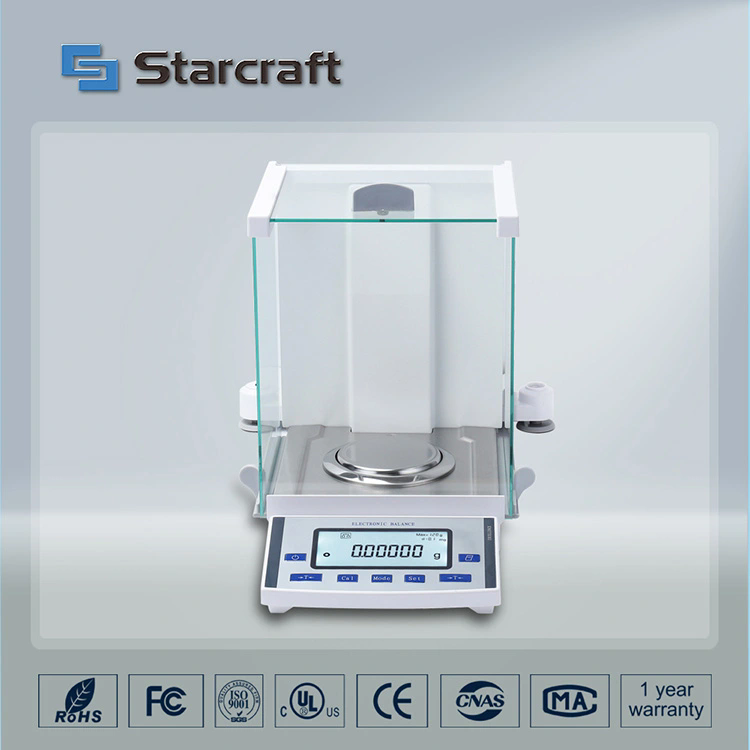
- Draft Shield: A glass draft shield encloses the weighing chamber, protecting the pan from air currents that could cause unstable readings.
- Anti-Vibration Base: The balance is equipped with a rigid base and adjustable feet to level the instrument and reduce the transmission of vibrations from the bench surface.
- Digital Filtering: The software applies digital filters to suppress noise from ambient vibrations and electrical interference.
- Stable Environment: For optimal performance, the balance should be placed on a dedicated weighing table in a location free from drafts, direct sunlight, and nearby equipment that generates vibrations or heat.
These design features work together to ensure that the balance provides stable, repeatable readings even in busy laboratory environments. Proper installation and environmental control are essential to achieving the instrument's specified performance.
05. Functional Modes and Laboratory Applications
The ES 0.1mg Analytical Balance offers a range of functional modes beyond simple weighing, making it a versatile tool for laboratory workflows.
- Standard Weighing: Basic mass measurement with high precision.
- Parts Counting: Counts identical parts by determining the average piece weight.
- Percentage Weighing: Displays weight as a percentage of a reference weight, useful for formulation checks.
- Check Weighing: Compares sample weight against a target range, with visual or audible indicators for pass/fail results.
- Density Determination: Calculates density using a density kit and the buoyancy method.
- Dynamic Weighing: Averages readings for unstable samples, such as live animals or moving objects.
- Formulation: Allows sequential addition of components while tracking the total weight.
These functional modes make the balance suitable for a wide range of applications, including pharmaceutical quality control, chemical research, food analysis, and educational laboratories. The balance can be connected to a computer or printer for data recording and report generation.
06. Regulatory Compliance and Quality Standards
Analytical balances used in regulated industries must comply with stringent quality standards to ensure measurement traceability and data integrity. The ES 0.1mg Analytical Balance is designed to meet these requirements.
- ISO 9001: Quality management system certification for the manufacturing process.
- USP Chapter 41: Compliance with United States Pharmacopeia requirements for balances used in pharmaceutical testing.
- GMP/GLP: Suitable for use in Good Manufacturing Practice and Good Laboratory Practice environments, with audit trail and user management features.
- Calibration Certificates: Traceable calibration certificates can be provided to support quality documentation.
Compliance Note: For regulated applications, the balance should be calibrated regularly with traceable weights, and calibration records should be maintained as part of the quality management system.
Frequently Asked Questions
Technical specifications and compliance certifications may vary. Always consult the manufacturer's documentation for your specific application requirements.