News

What Makes an Analytical Balance Essential for High-Precision Laboratory Measurements?

2026-01-20 0 Leave me a message

Analytical Balance technology plays a critical role in modern laboratories where accuracy, consistency, and repeatability are non-negotiable. Whether used in pharmaceutical research, chemical analysis, or academic laboratories, analytical balances ensure precise mass measurements down to fractions of a milligram, supporting reliable experimental outcomes and regulatory compliance.

Analytical Balance


Abstract

This comprehensive guide explores what an analytical balance is, how it functions, and why it remains indispensable for high-precision laboratory measurements. You will discover its core features, expanded keyword variations, advantages and limitations, practical applications, selection criteria, and maintenance tips. The article also highlights how Ningbo Starcraft Scientific Instrument Co., Ltd. delivers dependable analytical balance solutions for global laboratories.


Table of Contents

  • What Is an Analytical Balance?
  • How Does an Analytical Balance Work?
  • Which Types of Analytical Balance Are Commonly Used?
  • Why Is an Analytical Balance Important in Modern Laboratories?
  • What Are the Advantages and Disadvantages of Analytical Balance?
  • Where Is an Analytical Balance Commonly Used?
  • How to Choose the Right Analytical Balance?
  • How Should an Analytical Balance Be Used and Maintained?
  • Frequently Asked Questions About Analytical Balance
  • References

What Is an Analytical Balance?

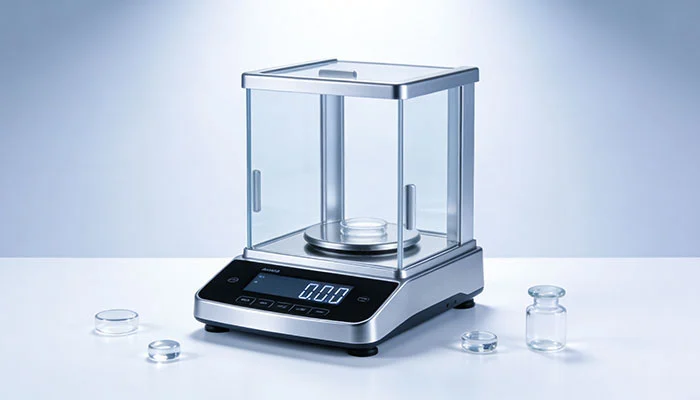
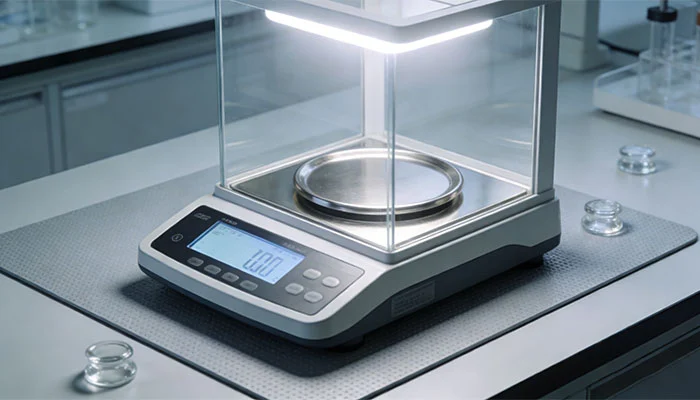
An analytical balance is a high-precision laboratory instrument designed to measure mass with extreme accuracy, typically up to 0.1 mg (0.0001 g) or better. Compared with standard precision balances, analytical balances feature advanced load cells, draft shields, and calibration systems to minimize environmental interference.

Expanded keyword variations commonly associated with analytical balance include:

  • Laboratory analytical balance
  • High-precision analytical balance
  • Micro analytical balance
  • Digital analytical balance
  • Electronic analytical weighing scale

Manufacturers such as Ningbo Starcraft Scientific Instrument Co., Ltd. focus on optimizing sensitivity, durability, and compliance with international laboratory standards.


How Does an Analytical Balance Work?

An analytical balance operates using an electromagnetic force restoration system. When a sample is placed on the weighing pan, the balance generates an opposing electromagnetic force to counteract the mass. The electrical current required to restore equilibrium is then converted into a precise mass reading.

Key working components include:

  • High-resolution load cell
  • Electromagnetic compensation system
  • Draft shield to prevent air disturbance
  • Internal or external calibration mechanism
  • Digital signal processor for stable readings

This sophisticated working principle ensures consistent accuracy even for extremely small samples.


Which Types of Analytical Balance Are Commonly Used?

Type Readability Typical Application
Standard Analytical Balance 0.1 mg Routine laboratory analysis
Semi-Micro Analytical Balance 0.01 mg Advanced chemical research
Micro Analytical Balance 0.001 mg Pharmaceutical and micro-sample analysis

Ningbo Starcraft Scientific Instrument Co., Ltd. offers multiple analytical balance configurations to suit diverse laboratory requirements.


Why Is an Analytical Balance Important in Modern Laboratories?

Analytical balances are essential because even the smallest weighing error can compromise research integrity, product quality, and regulatory compliance. Industries such as pharmaceuticals, food testing, and environmental monitoring rely on analytical balances to ensure data reliability.

Main reasons for importance include:

  • High measurement accuracy and repeatability
  • Compliance with ISO, GMP, and GLP standards
  • Reliable quantitative analysis
  • Support for scientific innovation

Using a reliable analytical balance from a trusted manufacturer enhances laboratory credibility.


What Are the Advantages and Disadvantages of Analytical Balance?

Advantages

  • Extremely high precision and sensitivity
  • Advanced digital calibration options
  • Stable readings with minimal fluctuation
  • Suitable for critical scientific applications

Disadvantages

  • Higher cost compared to standard balances
  • Sensitive to vibration and air movement
  • Requires controlled laboratory environment
  • Regular calibration and maintenance needed

Understanding these pros and cons helps laboratories select the most appropriate weighing solution.


Where Is an Analytical Balance Commonly Used?

Analytical balances are widely used across multiple sectors:

  • Pharmaceutical formulation and quality control
  • Chemical research and synthesis
  • University and academic laboratories
  • Food and beverage testing laboratories
  • Environmental and material analysis

Many global laboratories trust Ningbo Starcraft Scientific Instrument Co., Ltd. for consistent performance and long-term reliability.


How to Choose the Right Analytical Balance?

When selecting an analytical balance, laboratories should consider:

  1. Required readability and capacity
  2. Internal vs. external calibration
  3. Environmental conditions
  4. Compliance requirements
  5. Manufacturer reputation and support

Partnering with an experienced supplier ensures optimal product selection and technical support.


How Should an Analytical Balance Be Used and Maintained?

Proper usage and maintenance extend the service life of an analytical balance:

  • Place the balance on a vibration-free surface
  • Allow sufficient warm-up time
  • Perform regular calibration
  • Clean weighing pan and draft shield routinely
  • Avoid overloading the balance

Routine care guarantees consistent accuracy and dependable results.


Frequently Asked Questions About Analytical Balance

Q: What is the main purpose of an analytical balance?
A: The primary purpose of an analytical balance is to provide ultra-precise mass measurements for laboratory applications where even minor deviations can affect experimental outcomes.

Q: How accurate is an analytical balance?
A: Most analytical balances offer a readability of 0.1 mg, while advanced micro analytical balances can achieve 0.001 mg accuracy under controlled conditions.

Q: Why does an analytical balance require a draft shield?
A: A draft shield protects the weighing process from air currents, ensuring stable and repeatable measurements.

Q: How often should an analytical balance be calibrated?
A: Calibration frequency depends on usage intensity and regulatory requirements, but daily or weekly calibration is common in critical laboratories.

Q: Which industries benefit most from analytical balance usage?
A: Pharmaceutical, chemical, food, academic, and environmental industries benefit most due to their demand for precise quantitative measurements.


References

  • International Organization for Standardization (ISO) – Laboratory Weighing Standards
  • United States Pharmacopeia (USP) – Weighing Accuracy Guidelines
  • Scientific Instrument Manufacturers Association Publications

Ningbo Starcraft Scientific Instrument Co., Ltd. is committed to delivering high-quality analytical balance solutions designed for precision, durability, and global laboratory standards.

If you are looking for reliable and accurate analytical balance equipment to enhance your laboratory performance, contact us today to receive professional consultation and customized solutions.

Related News
Leave me a message
X
We use cookies to offer you a better browsing experience, analyze site traffic and personalize content. By using this site, you agree to our use of cookies. Privacy Policy
Reject Accept