News

How to Use an ES 0.01mg Analytical Balance for Accurate and Reliable Measurements?

2026-04-10 0 Leave me a message

Abstract: Precision is critical in laboratory environments where even the smallest deviation can lead to inaccurate results. The ES 0.01mg Analytical Balance is designed to meet the highest standards of measurement accuracy. This article explores how to properly use, maintain, and optimize this advanced instrument while addressing common user challenges and providing practical solutions.

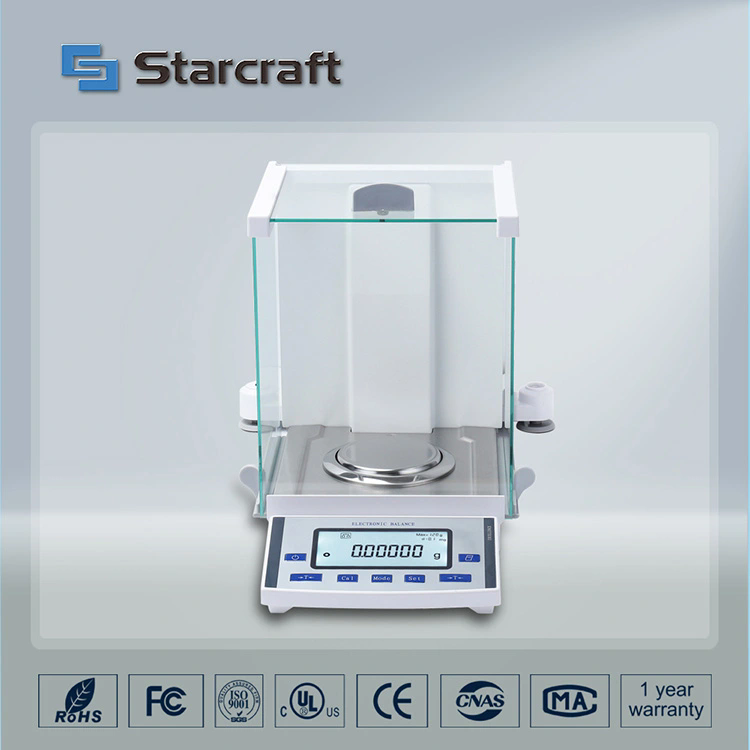
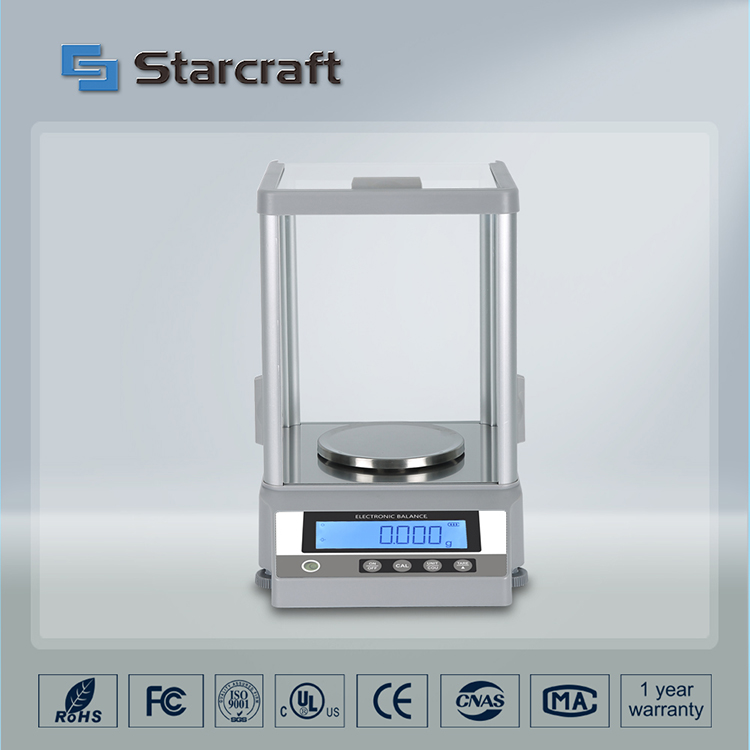
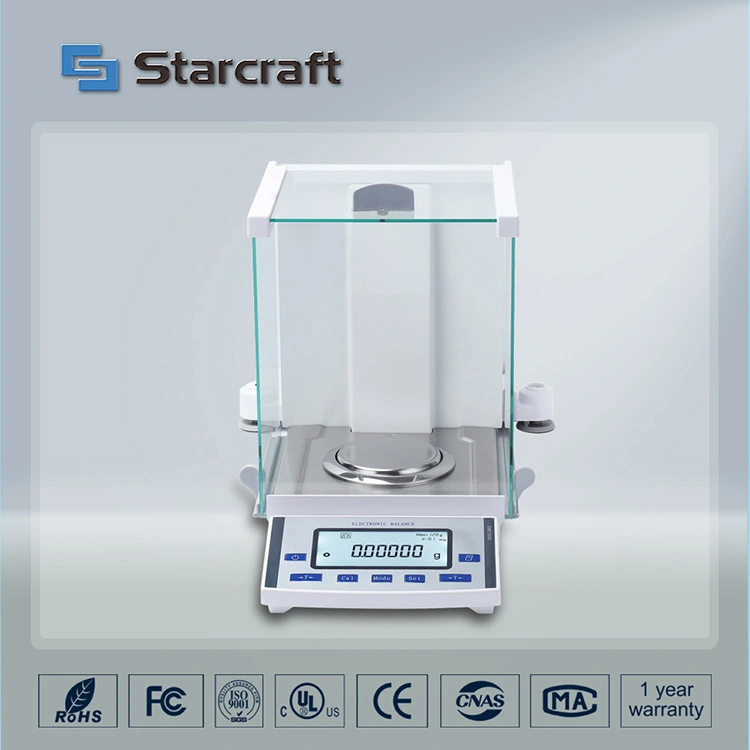
ES 0.01mg Analytical Balance

Table of Contents


1. Understanding the ES 0.01mg Analytical Balance

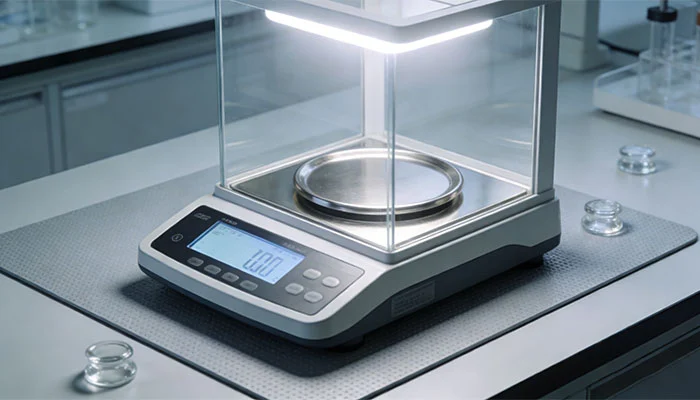
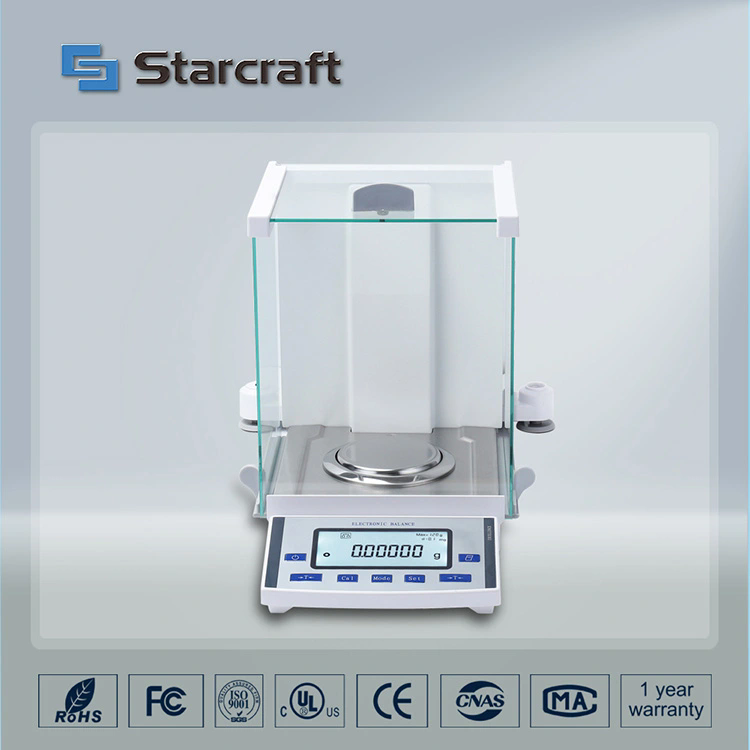
The ES 0.01mg Analytical Balance is a high-precision weighing instrument capable of measuring extremely small mass variations with a readability of 0.01 milligrams. It is widely used in pharmaceutical labs, research institutions, chemical analysis, and quality control processes.

Unlike standard laboratory scales, analytical balances are designed with enclosed draft shields to eliminate environmental interference such as air currents and vibrations.


2. Key Features and Technical Specifications

  • Ultra-high precision: 0.01mg readability
  • Electromagnetic force restoration sensor
  • Internal or external calibration options
  • Draft shield enclosure for stability
  • Digital display with intuitive interface
  • Multiple weighing units and modes

These features make the ES series particularly suitable for applications requiring strict measurement reliability.


3. Common Challenges Users Face

Despite its advanced design, users often encounter several issues when operating an analytical balance:

  • Fluctuating readings due to airflow
  • Static electricity interference
  • Improper calibration
  • Temperature instability
  • Incorrect sample handling

Understanding these pain points is essential to achieving consistent and accurate results.


4. Step-by-Step Guide to Proper Usage

Step 1: Preparation

  • Ensure the balance is placed on a stable, vibration-free surface
  • Allow the instrument to warm up for at least 30 minutes

Step 2: Calibration

  • Perform internal or external calibration before use
  • Use certified calibration weights if required

Step 3: Sample Handling

  • Use tweezers or gloves to avoid contamination
  • Place samples gently in the center of the pan

Step 4: Measurement

  • Close the draft shield doors
  • Wait for the reading to stabilize before recording

Step 5: Post-Use Care

  • Clean the weighing chamber
  • Turn off the device if not in use

5. Environmental Considerations for Accuracy

Environmental factors significantly impact measurement precision. To optimize performance:

  • Maintain a constant room temperature (20–25°C)
  • Avoid direct sunlight exposure
  • Minimize air drafts and vibrations
  • Control humidity levels

Even minor environmental changes can cause measurable deviations when working at 0.01mg sensitivity.


6. Maintenance and Calibration Best Practices

  • Calibrate regularly (daily or before critical measurements)
  • Clean the balance after each use
  • Check leveling bubble frequently
  • Use anti-static devices if necessary
  • Schedule periodic professional servicing

Consistent maintenance ensures long-term accuracy and extends the lifespan of the instrument.


7. Comparison Table: Analytical Balance vs Other Scales

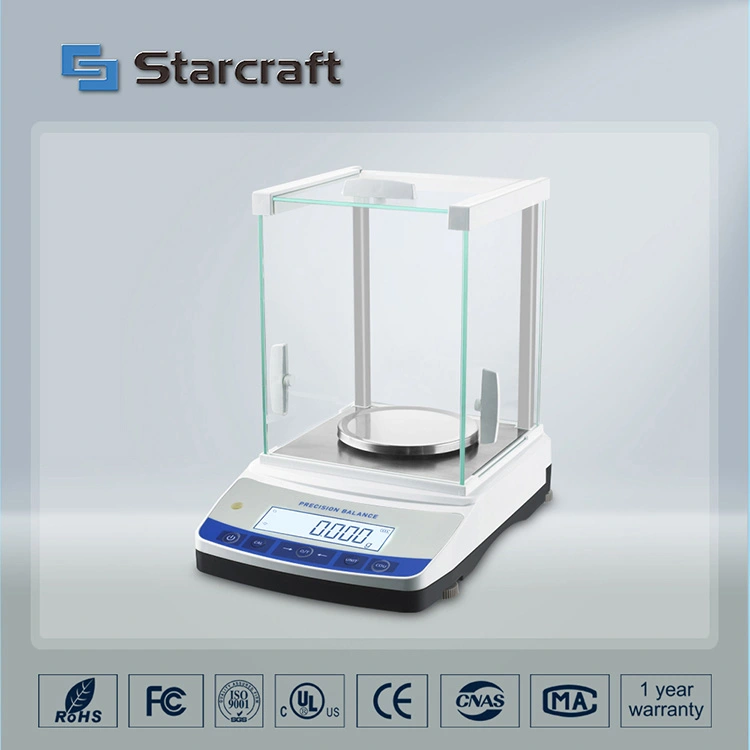
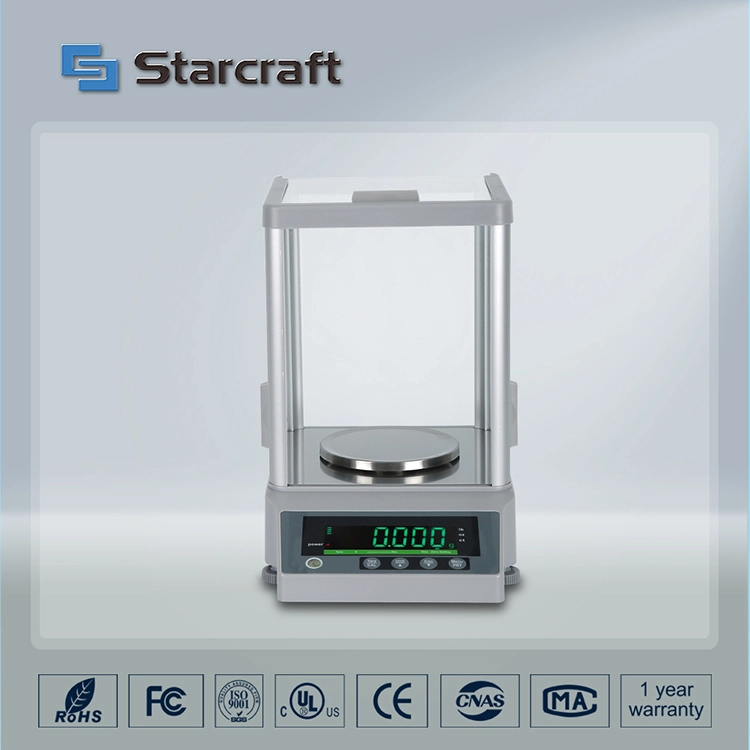
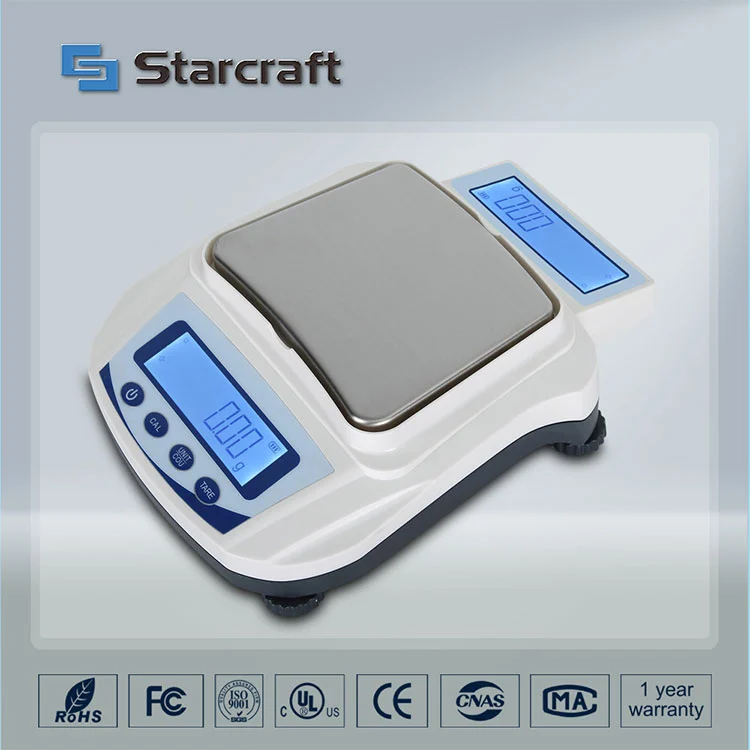
Feature Analytical Balance (0.01mg) Precision Balance Standard Scale
Readability 0.01mg 1mg–0.1g 1g+
Accuracy Very High High Moderate
Draft Shield Yes Optional No
Applications Laboratory, Research Industrial, Lab General Use

8. Why Choose STARCRAFT for Analytical Balances

STARCRAFT is a trusted manufacturer specializing in high-performance laboratory instruments. Their ES 0.01mg Analytical Balance stands out due to:

  • Advanced sensor technology for ultra-precision
  • Robust build quality ensuring durability
  • User-friendly interface for efficient workflow
  • Reliable after-sales support and technical assistance

With a commitment to innovation and quality, STARCRAFT delivers solutions that meet the evolving needs of modern laboratories.


9. FAQ

Q1: Why does my analytical balance show unstable readings?

A: This is usually caused by environmental factors such as air currents, vibrations, or temperature fluctuations.

Q2: How often should I calibrate the balance?

A: Calibration should be performed daily or before any critical measurement task.

Q3: Can I weigh hot or cold samples?

A: No, samples should be at room temperature to avoid measurement errors caused by convection currents.

Q4: What is the ideal placement for the balance?

A: Place it on a stable, anti-vibration table away from doors, windows, and HVAC systems.

Q5: How do I prevent static interference?

A: Use anti-static brushes, ionizers, or grounding techniques when handling sensitive samples.


For laboratories that demand uncompromising precision and reliability, the ES 0.01mg Analytical Balance is an essential tool. If you are looking to enhance your measurement accuracy and operational efficiency, STARCRAFT offers the expertise and products you can depend on.

Contact us today to learn more about how STARCRAFT can support your laboratory needs.

Related News
Leave me a message
X
We use cookies to offer you a better browsing experience, analyze site traffic and personalize content. By using this site, you agree to our use of cookies. Privacy Policy
Reject Accept