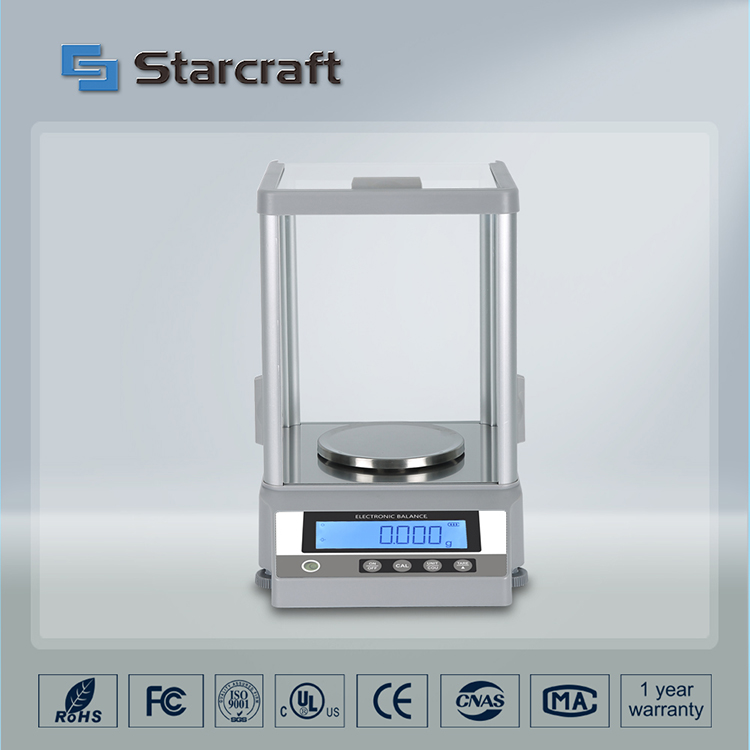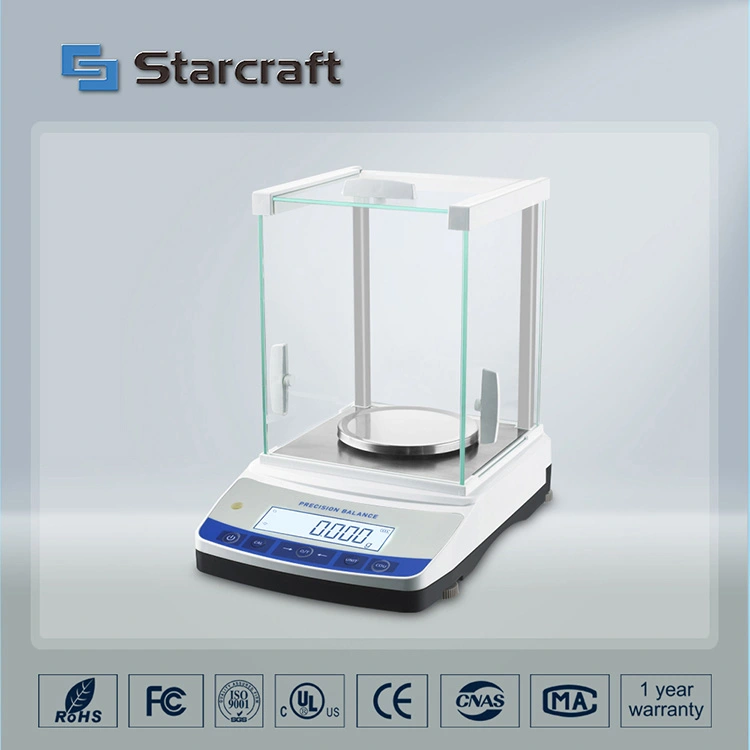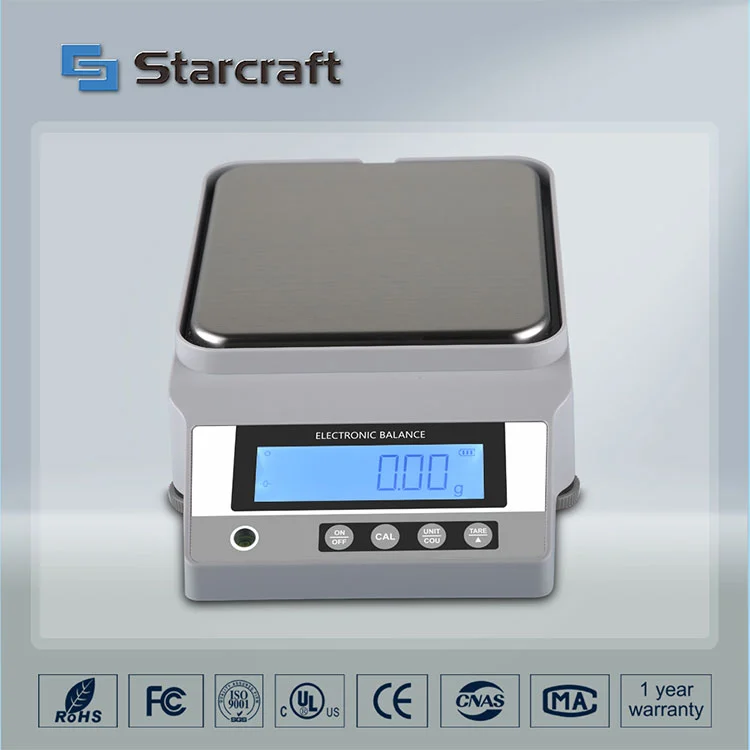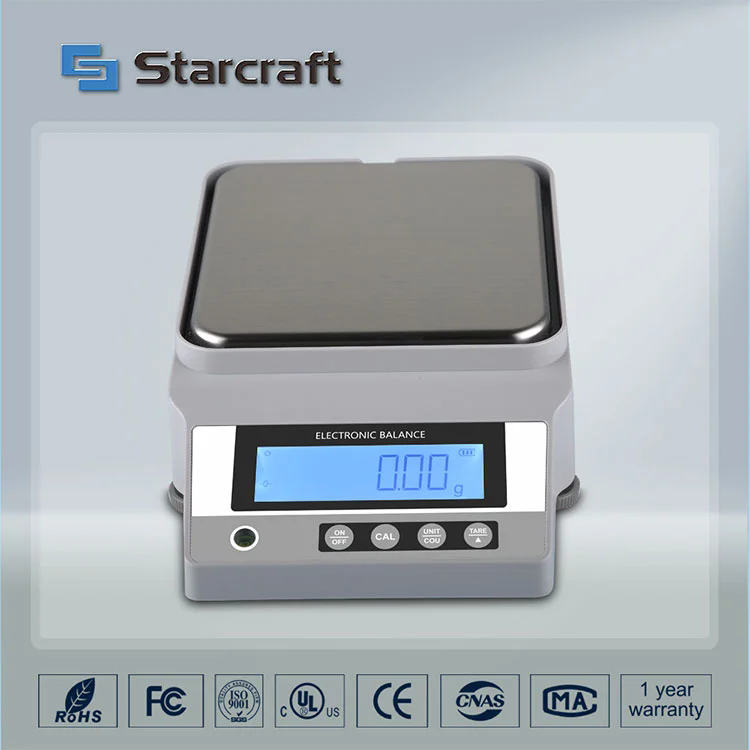
Abstract · This article explores the design principles, functionality, and operational advantages of the MP-S Dual Display Balance. It focuses on its dual-screen architecture, measurement accuracy, application scenarios in modern laboratories, and how it contributes to improved data management and workflow ergonomics.
01. Architectural Principle of the MP-S Series
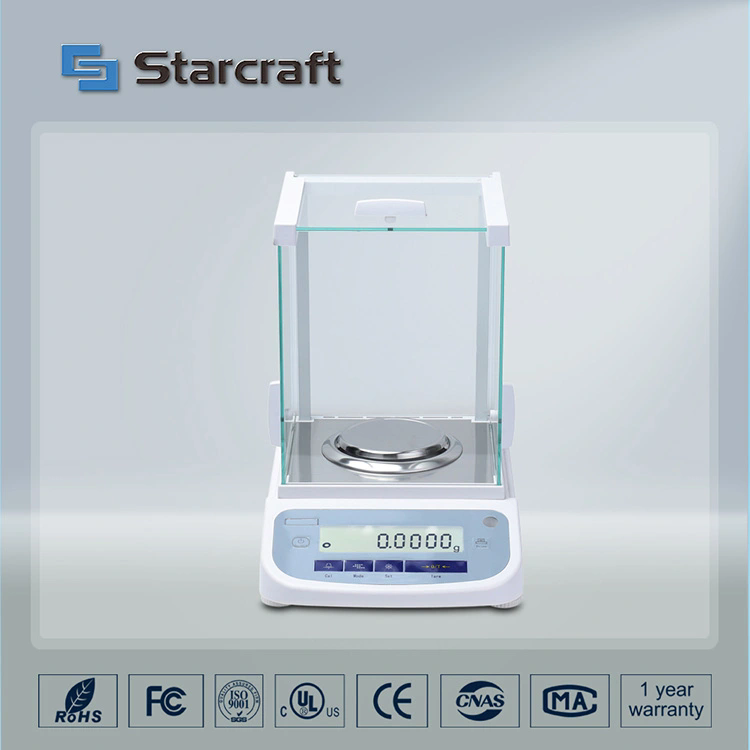
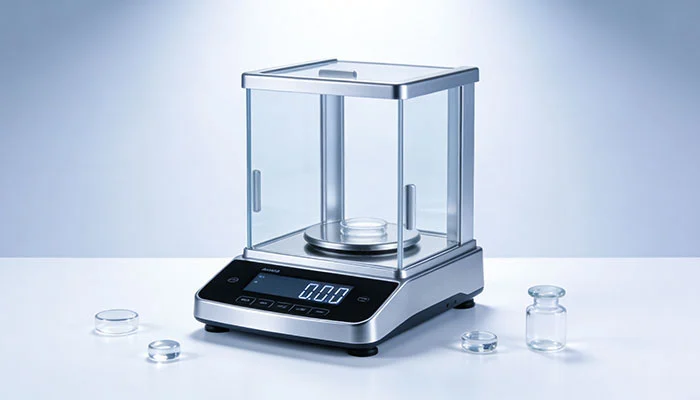
The MP-S Dual Display Balance is a precision measuring instrument built around electromagnetic force compensation (EMFC) technology, which provides high accuracy and fast response times. The core architecture consists of a high-stiffness load receptor, a position sensor, a control amplifier, and a digital signal processor.
In contrast to traditional single-display balances, the MP-S model integrates a second display module, enabling simultaneous readout from different angles. This is particularly advantageous in shared laboratory environments where multiple users need to monitor measurements from various positions without needing to adjust the balance's orientation.
Electromagnetic Force Compensation (EMFC)
0.001 g to 0.1 g (depending on model)
Typically Ø 80 mm to 120 mm
02. Dual Display System and Ergonomic Benefits
Reduces neck and eye strain by allowing users to read data without tilting heads frequently.
Enables supervisors or trainees to view measurements simultaneously.
Eliminates the need for external monitor connections to view data.
Allows quick cross-referencing of readings without printing interim results.
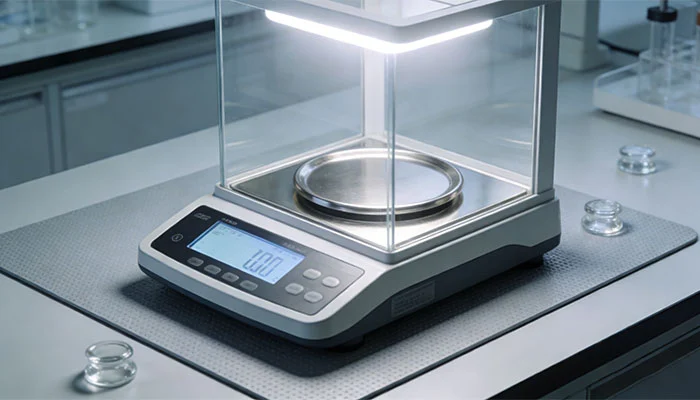
The dual display also facilitates error reduction. When weighing in a fume hood or a biosafety cabinet, the operator may not have a direct line of sight to the main screen. The secondary display can be positioned for optimal visibility, ensuring that the weighing process is not interrupted by awkward postures or obscured views.
03. Measuring Technology and Precision
The MP-S Dual Display Balance employs advanced digital filtering to mitigate the effects of environmental disturbances, such as air currents and vibrations, which commonly affect precision weighing. This is essential for achieving consistent results in busy laboratories.
- Internal calibration: Fully automated calibration with internal weights, triggered by temperature change or time interval.
- Multiple weighing units: Supports g, kg, mg, ct, lb, oz, and custom units for versatility.
- Environmental filtering: Adjustable software filters to suppress noise from drafts or table vibrations.
Technical Insight: The digital signal processing algorithm in the MP-S series is designed to deliver a stable reading within 2 to 3 seconds, ensuring a balance between speed and accuracy.
04. Core Features and Functional Modes
This balance model offers a range of functionalities beyond basic weighing, making it adaptable to both routine and specialized tasks:
| Function | Description | Typical Use |
|---|---|---|
| Weighing | Standard measurement of mass | General sample preparation |
| Parts Counting (PCS) | Counts number of identical parts | Inventory and quality control |
| Percentage Weighing | Displays weight as a percentage of a reference | Formula composition checks |
| Check Weighing | Compares weight against a target range | Pass/Fail testing |
| Density Determination | Calculates density using a density kit | Material identification |
| Data Logging | Records measurement data to memory or PC | Batch processing |
05. Typical Application Scenarios
The MP-S Dual Display Balance is used in various settings, including pharmaceutical quality control, chemical research, and educational training.
Pharmaceutical Analysis
- Accurate measurement of active pharmaceutical ingredients (APIs) with high precision.
- Compliance with USP Chapter <41> for balances used in analytical procedures.
Chemical and Environmental Labs
- Preparation of standard solutions for titration.
- Gravimetric analysis for sample characterization.
Education and Training
- Demonstrates weighing principles effectively with dual viewing.
- Supports group learning where visibility of the display is critical.
06. Maintenance and Calibration
Routine maintenance ensures that the balance continues to deliver reliable data. The MP-S series includes features that simplify these processes:
- Internal calibration: The balance can be programmed to self-calibrate at specified intervals, eliminating the need for external weights.
- Self-diagnostics: The system runs a startup check to verify sensor functionality and display integrity.
- Cleaning: The stainless steel pan and draft shield are designed for easy removal and cleaning.
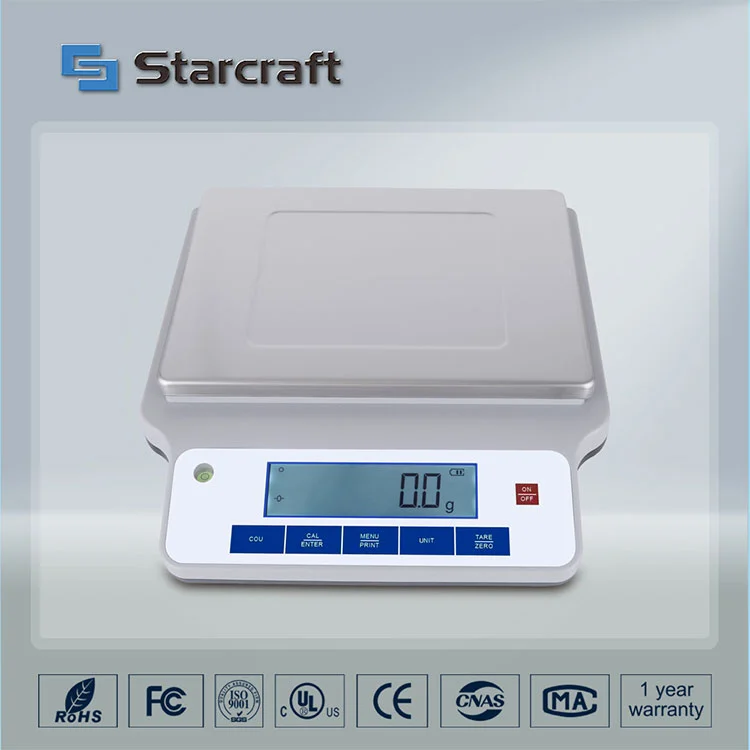
- Leveling: A built-in spirit level and adjustable feet ensure the balance is horizontally aligned.
Regular calibration records can be stored and printed, supporting compliance with ISO 9001 and other quality standards. This ensures that the accuracy of the balance is traceable to national standards when required.
Frequently Asked Questions
Technical specifications and features may vary. Always consult the official product documentation for your specific application.