News

How to Choose the Right Precision Balance for High-Capacity Weighing Needs?

2026-03-19 0 Leave me a message

Selecting the appropriate precision balance for high-capacity applications is a critical decision that impacts the accuracy, efficiency, and reliability of your operations. Whether you are in a research laboratory, a jewelry workshop, or an industrial production facility, the balance you choose must handle heavy loads while maintaining fine readability. The market offers a variety of options, but understanding the specific technical requirements of your tasks is the first step toward making an informed investment. A balance that is not suited to your needs can lead to measurement errors, product inconsistencies, and operational delays.


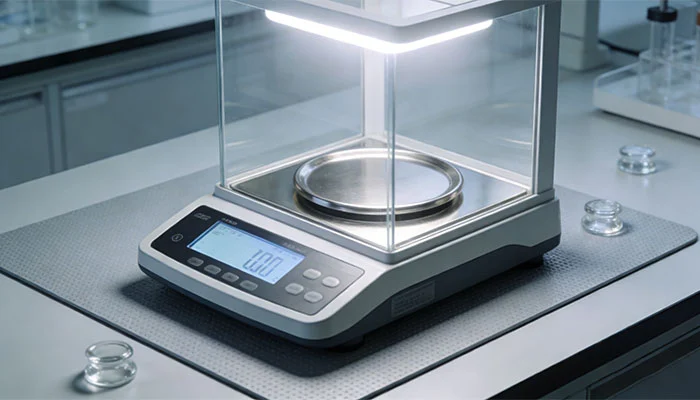
At its core, choosing the right high-capacity precision balance involves evaluating the maximum weight you need to measure against the smallest increment of change you need to detect. This balance between capacity and readability is fundamental. For demanding environments, features like a robust metal base for stability, dual displays for enhanced visibility, and advanced connectivity options for data logging become essential. Our factory, Ningbo Starcraft Scientific Instrument Co., Ltd., has engineered solutions specifically for these challenges, such as the MK-C 0.01g Precision Balance, which combines high capacity with 0.01g readability. This article will guide you through the technical specifications and considerations necessary to select a balance that ensures long-term precision and value.


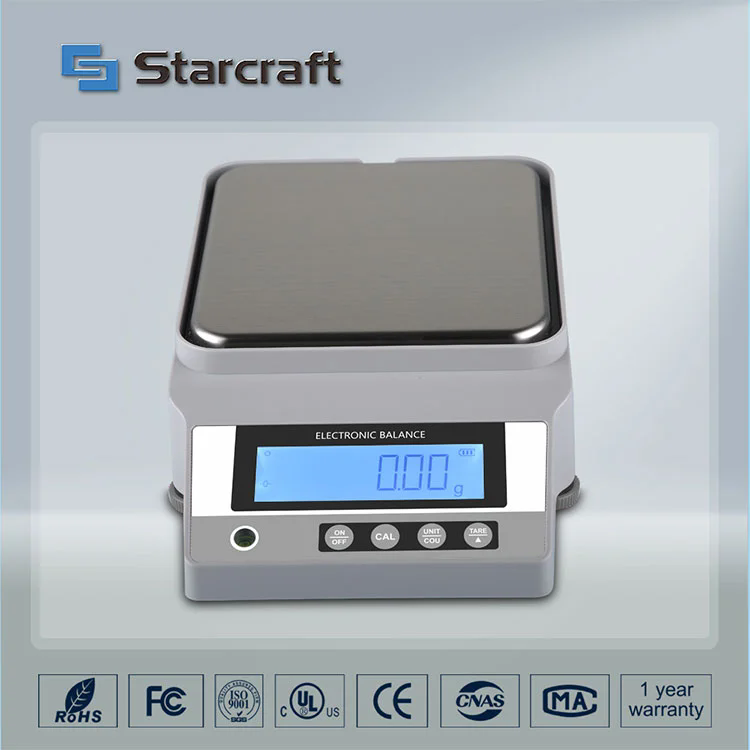
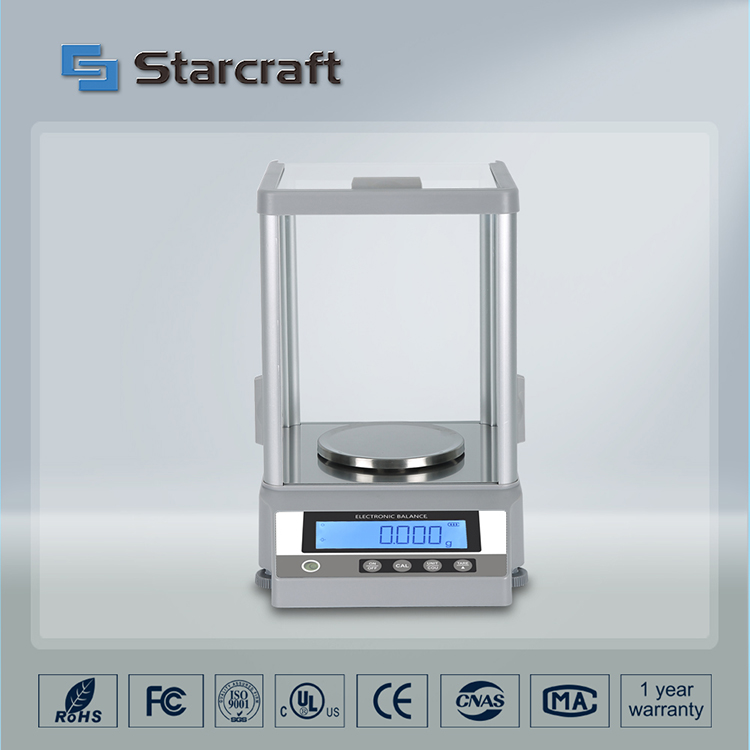
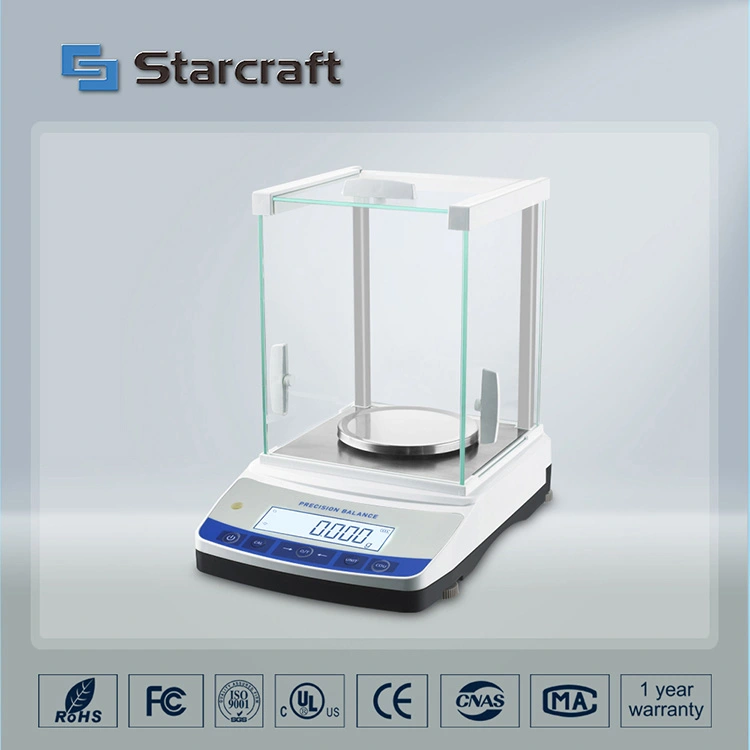
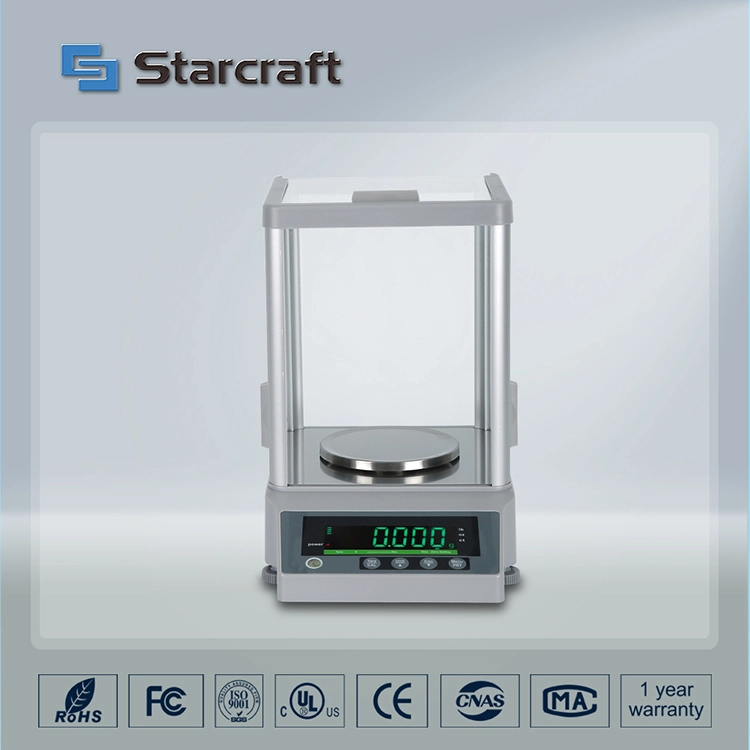
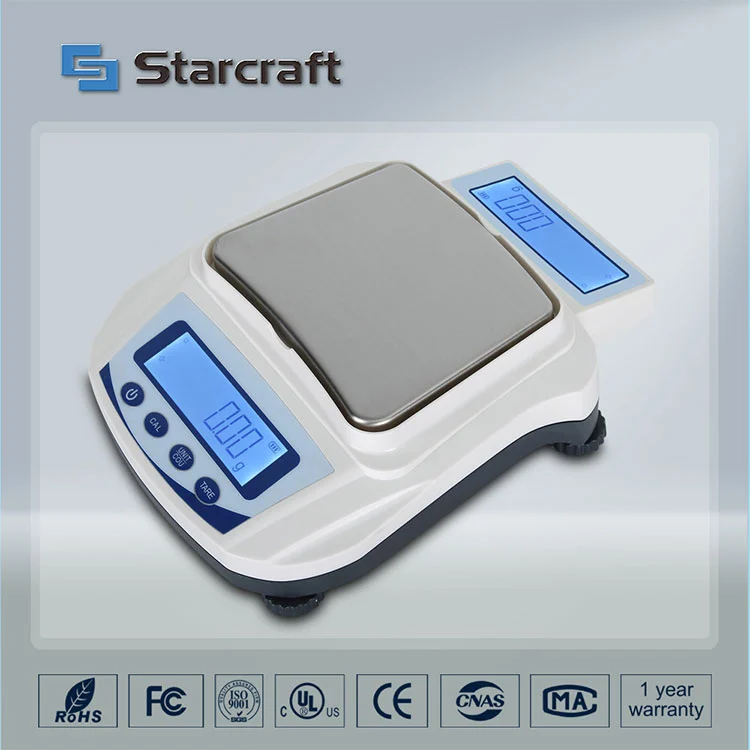
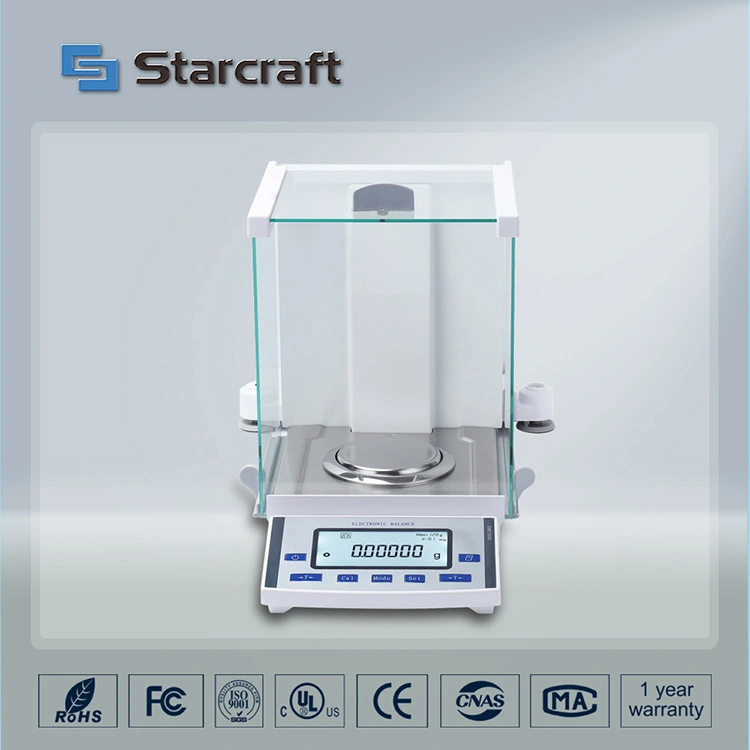
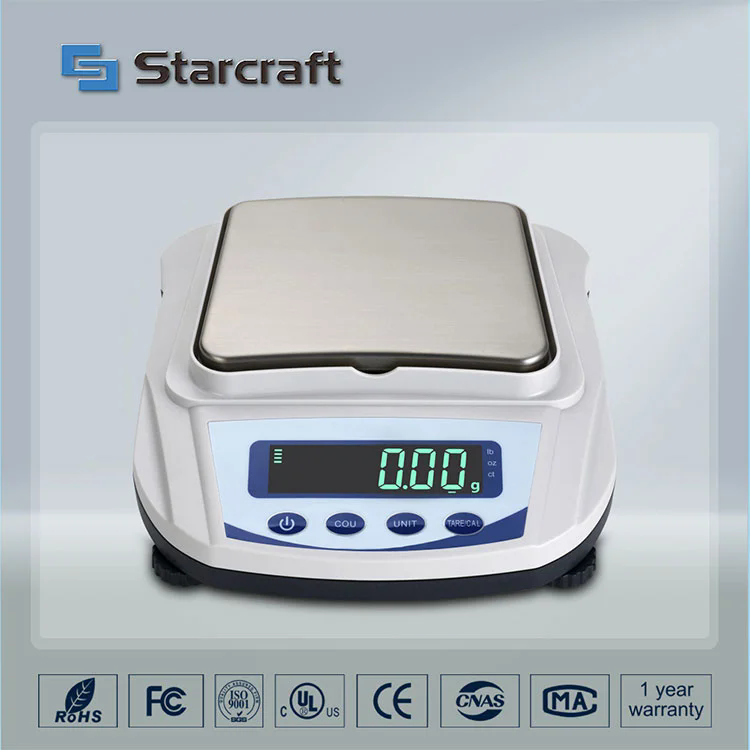
MK-C 0.01g Precision Balance


Table of Contents


What Are the Key Parameters for High-Capacity Precision Balances?

When the task involves weighing substantial masses, the specification sheet of a precision balance becomes your most important tool. The first parameter to scrutinize is the maximum capacity versus the readability. For high-capacity needs, you are often looking at balances that can handle several kilograms while still offering a readability of 0.1g or 0.01g. This combination is where engineering excellence truly shines. For instance, our MK-C 0.01g Precision Balance is designed to bridge this gap, offering fine precision even at the upper limits of its range. This ensures that whether you are compounding ingredients or conducting material analysis, the results are trustworthy.


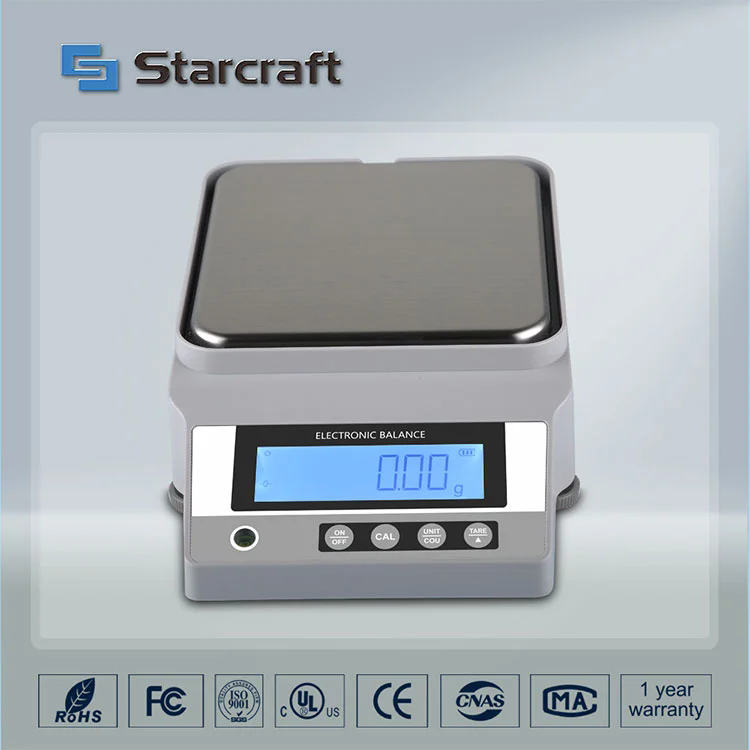
The physical construction of the balance is equally critical. A lightweight plastic housing may suffice for low-range scales, but for high-capacity work, stability is non-negotiable. A heavy load exerts significant force, and any flex in the base can lead to inaccurate readings. Therefore, a robust metal base is a feature we prioritize at our factory. This rigidity dampens vibrations and ensures that the load cell, the heart of the balance, operates under ideal conditions. When evaluating a unit, check the build quality; an Electronic Balance with a sturdy foundation will outperform a flimsy one every time.


Beyond the core mechanics, consider the user interface and display. In a busy lab or production floor, readability matters. Large, backlit LCD screens reduce eye strain and the likelihood of transcription errors. Here are the key parameters you should have on your checklist:


  • Capacity and Readability: Look for ranges that meet your maximum load while maintaining the precision (e.g., 0.01g) you require for your lightest samples.
  • Construction Material: Prioritize balances with a metal base and durable housing to ensure long-term stability and resistance to environmental factors.
  • Calibration Options: Ensure the balance supports internal or external calibration to maintain accuracy over time. Our precision balance models are designed for easy calibration.
  • Display Type: Opt for clear LCD screens with good contrast. For collaborative environments, dual displays can be a game-changer.
  • Units of Measurement: Versatility in switching between grams, kilograms, ounces, and other units is essential for diverse applications.
  • Interface Ports: Standard features like RS232 are vital for connecting to printers or computers. Some applications may benefit from USB connectivity.


We have dedicated significant research and development to ensuring that our Electronic Balance offerings meet these stringent criteria. The integration of a high-quality load cell within a rigid metal frame is not just a design choice; it is a commitment to precision. When you select a balance from our lineup, you are investing in equipment that understands the demands of high-capacity weighing. The ability to customize the weighing range further allows us to tailor a solution specifically for your process, ensuring that you are not stuck with a one-size-fits-all product that compromises on performance.


Why Is a Dual Display Critical for Specialized Industries?

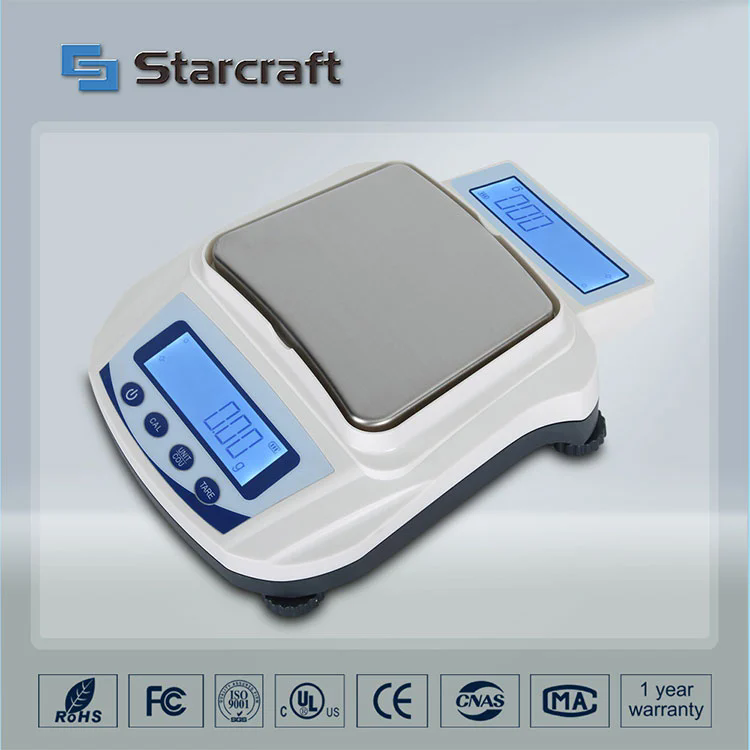
In specialized fields such as jewelry making, pharmaceuticals, or chemical research, the way information is presented can be just as important as the measurement itself. A dual-display precision balance addresses a common pain point: visibility from different angles and positions. In a jewelry workshop, for example, the artisan might be seated at a bench while a customer or assistant observes from the other side. A single display forces one person to crane their neck or walk around to see the weight. Our factory has addressed this by offering dual-display configurations on models like the MK-C, allowing two users to view the reading simultaneously from opposite sides.


This feature significantly reduces errors and improves workflow efficiency. In a teaching laboratory, an instructor can demonstrate a weighing technique while students view the读数 from a secondary screen. In quality control, an operator can place a sample and immediately see the weight without awkward positioning. The dual display is not merely a cosmetic addition; it is a functional upgrade that enhances the user experience. It promotes transparency and collaboration, which are invaluable in settings where verification and teamwork are part of the daily routine.


Consider the following advantages of incorporating a dual-display Electronic Balance into your operations:

  • Enhanced Collaboration: Two people can easily view the measurement results without moving the unit or themselves, perfect for training or verification tasks.
  • Reduced Error: Eliminates the need to lean over equipment or move heavy samples to read the screen, thereby reducing the risk of spills or misreads.
  • Improved Ergonomics: Allows the balance to be placed in a central location where it can be accessed from multiple sides without display visibility issues.
  • Professional Presentation: In customer-facing roles, such as jewelry sales, a dual display allows the client to see the exact weight being measured, building trust.


Our commitment to versatility means that we don't just add features for the sake of it. The dual display on our precision balance is designed with the same high-quality LCD technology as the primary screen, ensuring consistent readability. This thoughtful design extends to the overall user interface, which is intuitive and straightforward. By understanding the specific workflows of industries like jewelry, our factory can provide equipment that doesn't just weigh accurately but also fits seamlessly into professional practices. The MK-C 0.01g Precision Balance, with its optional dual display, exemplifies how a simple ergonomic feature can have a profound impact on daily productivity and accuracy.


How Do RS232 and Customization Features Enhance Workflow?

In the modern data-driven environment, a precision balance cannot function as an island. It must be able to communicate with other devices, such as computers, printers, and laboratory information management systems (LIMS). This is where connectivity features like RS232 and USB come into play. Our standard inclusion of an RS232 interface on the MK-C 0.01g Precision Balance is a testament to our understanding of laboratory needs. This port allows for the direct transfer of weighing data to a PC or printer, eliminating manual transcription errors and creating a reliable audit trail. For facilities aiming for strict compliance with quality standards, this connectivity is indispensable.


Customization is another frontier where high-capacity balances can be tailored to specific tasks. Our factory recognizes that off-the-shelf solutions don't always fit unique applications. That is why we offer powerful customization options. For instance, a balance can be equipped with a weighing hook for below-balance weighing, a necessity for density determination or measuring magnetic materials. The standard weighing range can also be adjusted to suit your exact needs. This level of flexibility ensures that the equipment grows and adapts with your processes, rather than forcing your processes to adapt to the equipment. We are proud that our Electronic Balance solutions can be so finely tuned.


Here is a comparison of standard features and how they can be enhanced through customization:

Feature Standard Offering (MK-C) Customization Options
Interface RS232 for data transfer to printers/PCs USB functionality can be configured for modern connectivity
Display Single LCD screen Dual displays available for specialized industries like jewelry
Weighing Capability Standard pan weighing Equipped with a weighing hook for below-balance applications
Weighing Range Factory-set ranges Custom weighing ranges can be programmed to match your specific needs


The power of customization cannot be overstated. When you partner with Ningbo Starcraft Scientific Instrument Co., Ltd., you are not just buying a scale; you are commissioning a tool built for your operational reality. Whether it's a unique interface requirement or a special mechanical adaptation, our engineering team is prepared to deliver. This approach ensures that the precision balance you receive maximizes efficiency from day one, seamlessly integrating into your existing workflow and reducing the need for workarounds or additional purchases. It is this dedication to tailored solutions that sets our factory apart in the competitive landscape of laboratory equipment.


Summary: Making the Right Investment in Precision

Choosing the right precision balance for high-capacity weighing is a multifaceted decision that goes beyond simply picking the largest scale. It requires a careful evaluation of readability, build quality, ergonomic features like dual displays, and essential connectivity options such as RS232. A balance with a rigid metal base, like those manufactured at our factory, ensures long-term stability, while customizable features allow the equipment to be perfectly tailored to your specific industrial or laboratory needs. The goal is to find a balance that not only handles the load but does so with unwavering accuracy and fits seamlessly into your daily operations.


At Ningbo Starcraft Scientific Instrument Co., Ltd., we are dedicated to providing high-quality Electronic Balance solutions that meet these rigorous standards. Our MK-C 0.01g Precision Balance is a prime example of our commitment to innovation, combining high capacity with fine readability and a host of configurable options. We invite you to review your current weighing processes and consider how our precision instruments can enhance your accuracy and productivity. Contact us today to discuss your specific requirements and let us help you select the perfect balance for your application. Your journey toward more reliable and efficient weighing starts with us.


Frequently Asked Questions (FAQ)

What is the difference between a precision balance and a standard analytical balance?

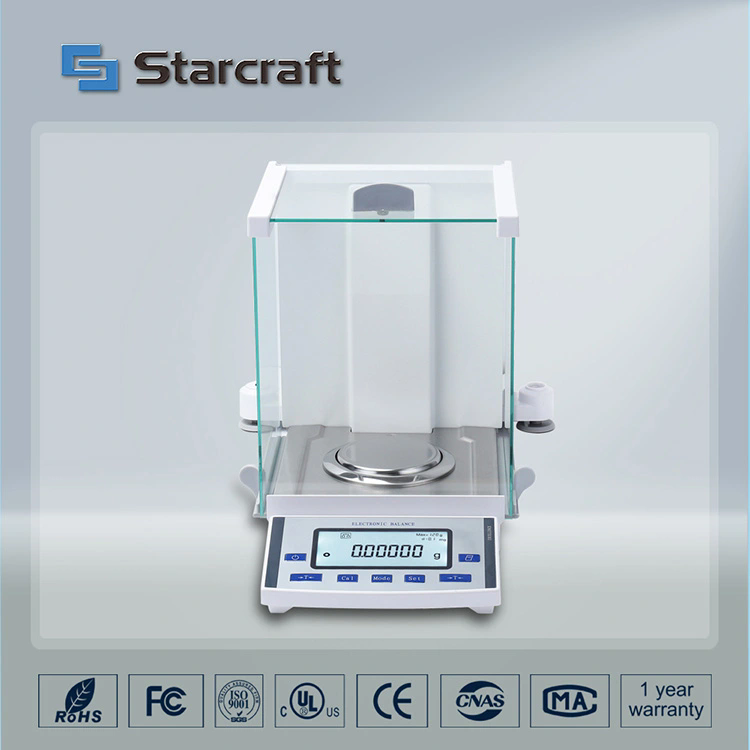
The primary difference lies in their capacity and readability. Analytical balances are designed for extremely fine measurements, typically with readability down to 0.1 mg or 0.01 mg, but they usually have lower maximum capacities, often around 100-200 grams. Precision balances, on the other hand, are built to handle higher capacities, ranging from several hundred grams to many kilograms, while still offering good readability, commonly 0.01g or 0.1g. For high-capacity needs, a precision balance is the correct choice as it provides the necessary robustness and platform size to accommodate larger samples without sacrificing the accuracy required for reliable results.

How does a metal base improve the performance of a high-capacity balance?

A metal base is crucial for high-capacity balances because it provides exceptional rigidity and stability. When weighing heavy objects, the frame of the balance must resist any flexing or torsion, which can introduce errors into the measurement. A robust metal base, like the one used in our factory's designs, anchors the load cell securely and dampens external vibrations from the environment. This ensures that the force measured by the load cell is solely from the sample, not from structural movement. This results in faster stabilization times and greater repeatability of measurements, which is essential for quality control and research applications.

Can I connect my precision balance to a computer for data logging?

Yes, most modern precision balances, including our MK-C series, are equipped with connectivity options specifically for this purpose. The standard RS232 interface allows for direct connection to a computer or a printer. This enables you to send weighing data in real-time to software applications like Excel or specialized laboratory data systems. For even more modern setups, our Electronic Balance can be configured with USB functionality, offering a plug-and-play experience with many computers. This connectivity is vital for creating paperless records, reducing manual entry errors, and maintaining a clear audit trail for compliance purposes.

What does "below-balance weighing" mean and when is it used?

Below-balance weighing is a specialized technique that uses a hook or bracket on the underside of the balance to suspend samples. This is typically used for determining the density of solids or liquids, or for weighing objects that are too large or oddly shaped to fit on the weighing pan. By suspending the sample below the balance, it can be immersed in a beaker of water or other liquid to perform density measurements. Our precision balance can be equipped with a weighing hook to facilitate this capability, making it a versatile tool for material science, geology, and quality control laboratories that require such specific testing methods.

How often should a high-capacity precision balance be calibrated?

The frequency of calibration depends on several factors, including the manufacturer's recommendations, the internal quality standards of your organization, the frequency of use, and the environment in which the balance operates. As a general rule, it is best practice to perform a calibration check daily or before each critical weighing session. Many laboratories opt for an annual calibration by an external accredited service to maintain certification. However, for high-capacity balances used in continuous production, more frequent checks are advisable. Our balances are designed to support easy external calibration with standard weights, allowing you to verify accuracy quickly whenever it is required to ensure ongoing precision.

Related News
Leave me a message
X
We use cookies to offer you a better browsing experience, analyze site traffic and personalize content. By using this site, you agree to our use of cookies. Privacy Policy
Reject Accept